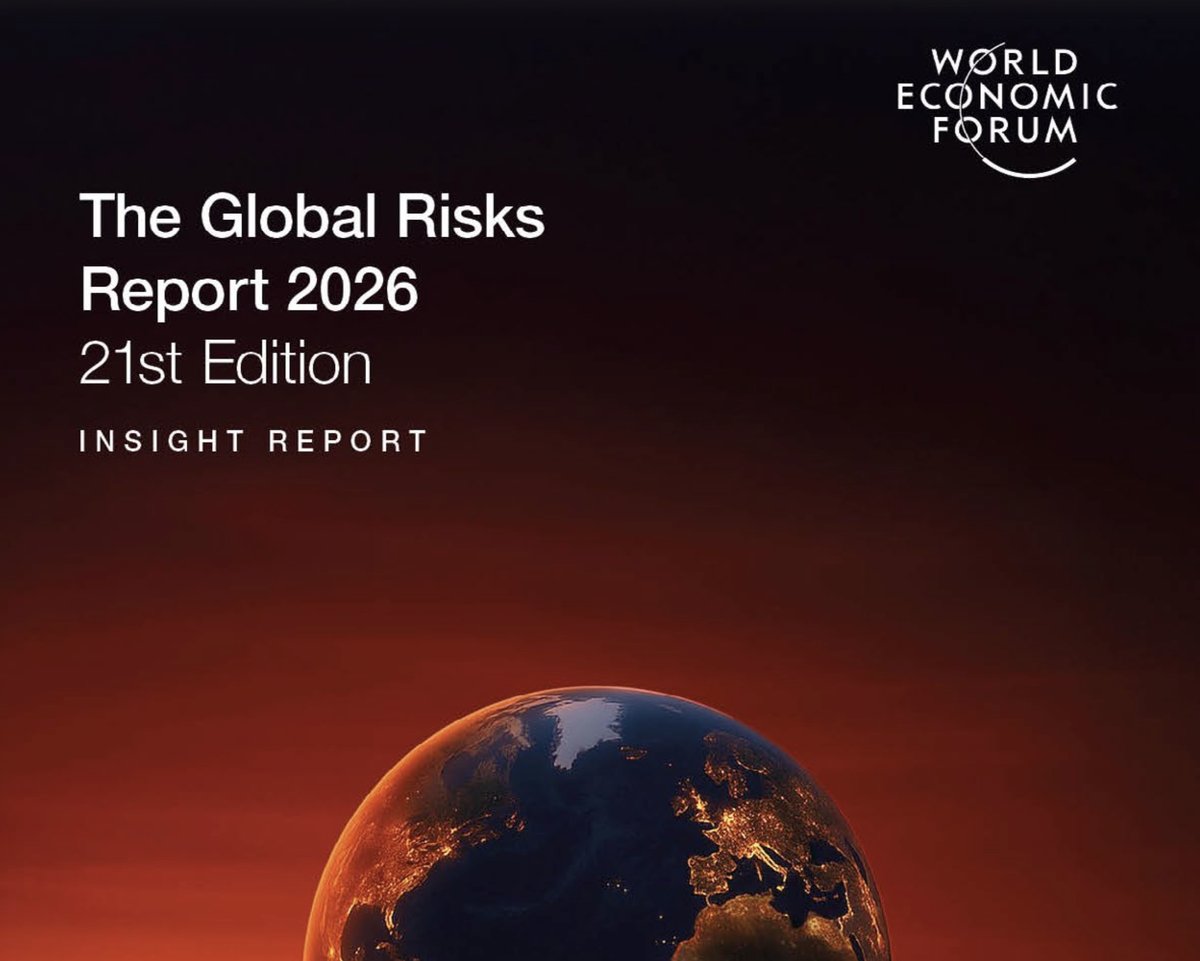
A World of Rising Competition and Uncertainty
The report highlights that risk perception is increasingly shaped by global competition, with interactions between states and economic actors becoming more confrontational than cooperative. In this context, uncertainty dominates 2026, as most experts anticipate a turbulent and unstable global environment, both in the short and long term.
Immediate Risks for 2026
In the short term, experts identify five major risk categories:
- Geoeconomic confrontation – the use of economic tools such as tariffs, sanctions, and trade restrictions as strategic weapons is now seen as the most likely trigger for a global crisis in 2026.
- Armed conflicts between states – military tensions and potential wars remain a major risk in the international landscape.
- Extreme weather events – despite growing economic concerns, extreme climate phenomena continue to weigh heavily on global risk considerations.
- Social polarization – divisions within societies and the erosion of social cohesion increase political and institutional fragility.
- Misinformation and disinformation – amplified by digital technologies and artificial intelligence, these phenomena threaten social cohesion, trust, and democratic stability.
These immediate risks pose significant challenges for businesses, governments, and international organizations, which must balance uncertainty management with strategic foresight.
Medium- and Long-Term Trends
Looking beyond 2026, the report highlights:
- A decline in multilateral cooperation, as states increasingly pursue protectionist policies focused on national interests.
- Environmental risks – including extreme climate events, biodiversity loss, and critical disruptions to Earth systems – which remain dominant over the next decade.
- Rising technological risks, particularly those related to AI and cybersecurity, which are among the top long-term concerns.
The Global Risks Report 2026 emphasizes:
- The importance of strengthening organizational resilience
- The necessity of international cooperation to tackle transnational risks
- The imperative to integrate economic, societal, and environmental risk management strategies
The report portrays a world of heightened geopolitical, economic, and social tensions, where traditional cooperation structures are under strain. Its insights serve as a strategic reference for organizations aiming to navigate a complex and interconnected risk landscape.
Source: WEF_Global_Risks_Report_2026.pdf

Comments
Submit comment
No comments yet. Be the first to share your thoughts!